

Boutillez Vignon Champagne, Libre Jeu. The freedom of interpretation.
A beautiful improvisation that follows the melody of the moment. An idea, a vintage. The terroir and the years inspire the Boutillez-Vignon family, who give free rein to their imagination in a one-time exercise in style.
2 Books to Check Out.
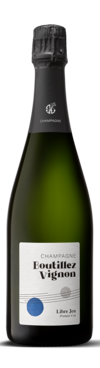
Free Game No. 1
Woody – Citrus – Sweet
Instrumentation
60% Chardonnay – 40% Pinot Noir
Unique wines that stood out at the young wine tasting. Fermented in tanks and then aged for one year in oak barrels. Only one barrel produced, one bottling, limited quantity.
Malolactic fermentation completed
Undosed
Sheet Music
The color is yellow with golden highlights.
The initial nose centers on a smoky character accentuated by notes of chocolate, praline, and cocoa. The aging profile of the reserve wines is reflected in the development of woody and roasted aromas.
The aromas detected on the nose are confirmed on the palate. Notes of chocolate and praline unfold gently. The woody character is also evident on the palate and adds a lovely tannic brightness.
To go with
Sunday roast chicken, cheese sticks, morel soufflé, peach sabayon.
Limited edition of 200 bottles
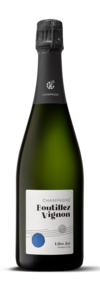
ELimited edition of 868 bottles
Free Game No. 2
Distinctive – Fruity – Vibrant
Instrumentation
Blanc de Noirs: 100% Pinot Noir
Grand CruTerroirs: Verzenay, Verzy, and Beaumont-sur-Vesle
Malolactic fermentation completed
Extra-Brut Dosage: 3 g/L
Sheet Music
An intense, golden color characteristic of Blanc de Noirs.
A rich nose; on first inhalation, apricot and mirabelle plum jam dominate, then the aromas open up to reveal the black cherries typical of the Verzenay terroir.
The attack on the palate is lively, with blood orange notes, followed by red fruits.
To accompany
: Pork tenderloin with thyme, honey, and almonds in a crust, cheese platter, and sabayon with red berries.
Did you know?
During pressing, the juice is separated into two fractions: the “cuvée,” which comes from the first pressings and produces fresh, lively wines with more complex aromatic potential; and the “taille,” extracted at the end of the pressing process, which is supple and fruity, with higher tannin content.